
silver full length wall mirror
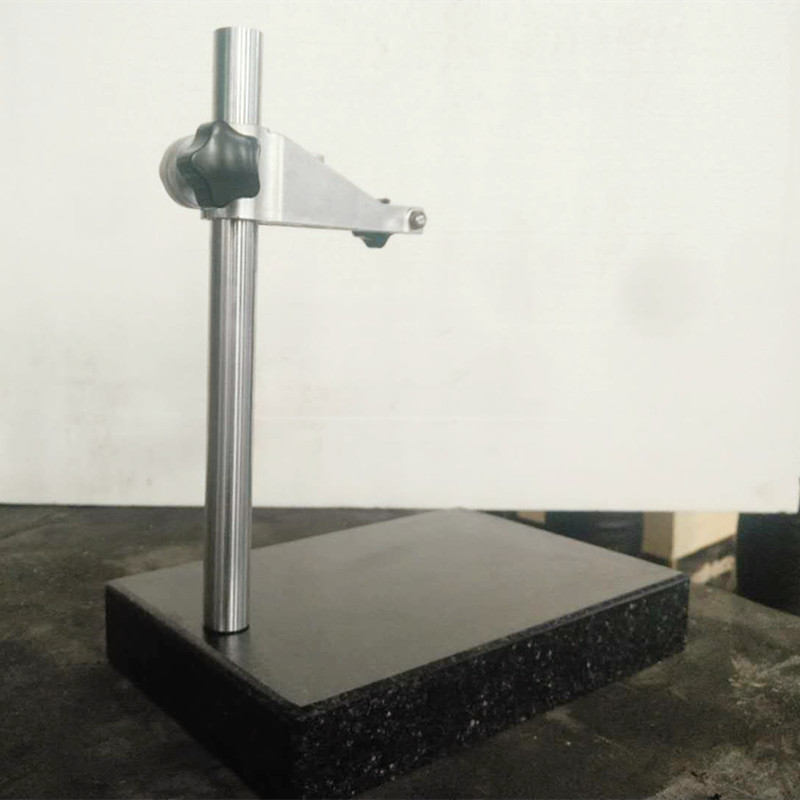
Precision Spirit Level Achieving Accuracy within 0.02 mm/m In various fields of construction, engineering, and carpentry, precision tools are indispensable for achieving high-quality results. Among these tools, the precision spirit level stands out as one of the most essential devices for ensuring horizontal or vertical alignment. With a measurement accuracy of 0.02 mm/m, a precision spirit level is vital in projects where even the slightest deviation can compromise structural integrity and aesthetic value. The Importance of Precision In engineering and construction, precision is not merely a luxury but a necessity. Even a small error can have cascading effects over the course of a project. For example, in the construction of a building, a misaligned cornerstone can lead to a series of miscalculations in subsequent construction phases, causing extensive delays and additional costs. A precision spirit level, calibrated to an accuracy of 0.02 mm/m, helps mitigate such risks by providing reliable measurements, allowing professionals to execute their tasks with confidence. Precision spirit levels are not only crucial in construction but also in various applications, from setting up machinery to installing cabinets. In these cases, achieving exact measurements can enhance performance and durability. For instance, when leveling a large appliance like a refrigerator, precision is critical. If the appliance is off-balance, it may not function properly, leading to inefficiencies or even breakdowns. Understanding the Features A precision spirit level typically comprises a durable, lightweight body made from materials such as aluminum or high-quality plastic. The design often includes one or more vials filled with liquid and an air bubble, which indicates whether the surface is level. The smallest measurement unit—0.02 mm/m—is an impressive feat of engineering, achieved through meticulous calibration and advanced manufacturing techniques. precision spirit level 0.02 mm m Many precision spirit levels come equipped with additional features, such as magnetic strips for easy attachment to metallic surfaces, or LED displays that enhance readability in low-light conditions. Some advanced models also incorporate digital technology, allowing users to take precise measurements and even store data for future reference. Features like these are invaluable for both amateur DIYers and professional tradespeople. Applications Across Industries The applications of a precision spirit level extend far beyond traditional construction. In the realm of manufacturing, for example, precision spirit levels ensure that machinery operates within specifications, reducing the risk of malfunction. In landscaping, these tools assist in creating perfectly graded surfaces for drainage purposes. Moreover, in the realm of fine arts and sculpture, a spirit level allows artists to ensure their installations are not only aesthetically pleasing but also structurally sound. In woodworking, it aids artisans in the precise alignment of joints, guaranteeing the longevity and visual appeal of their work. Conclusion In an ever-evolving industry landscape, where technological advancements continue to set new benchmarks, the precision spirit level remains a cornerstone tool for achieving accuracy. With a measurement capability of 0.02 mm/m, it serves as a testament to the rigorous standards professionals demand. Whether in construction, manufacturing, art, or any other field requiring precision, this tool offers unparalleled reliability and accuracy. For those committed to quality, investing in a high-quality precision spirit level is not only a pragmatic choice but also a step towards ensuring success in every endeavor. In conclusion, the precision spirit level exemplifies the importance of accuracy in professional settings. By combining advanced technology with user-friendly designs, it provides critical support to those tasked with tasks demanding exactness. As industries continue to advance, reliance on such precision tools will only grow, underscoring their vital role in promoting excellence and efficiency.
about
silver full length wall mirror
Metal vs. Block An In-Depth Comparison in Modern Applications In the ever-evolving realm of materials science, the choice between metal and composite blocks has become a critical topic for engineers and designers alike. Each material comes with its own set of advantages and challenges, which can significantly influence the performance, durability, and cost-effectiveness of a project. Metal vs . Block An In-Depth Comparison in Modern Applications However, metals do come with their downsides. They can be heavy, leading to increased weight in applications where reducing mass is crucial. Additionally, metals are susceptible to corrosion, which can compromise their integrity over time, especially in harsh environments. Engineers often need to consider protective coatings or alloying elements to mitigate these issues, which can add to the cost and complexity of projects. metal v block On the other hand, block materials—often referring to composite blocks—have gained popularity in recent years. Composites, made from a combination of materials such as plastics, fibers, and resins, offer exceptional lightweight properties without sacrificing strength. This characteristic has led to their widespread use in industries like sports equipment, marine applications, and even in some aerospace components. One notable advantage of composite blocks is their resistance to corrosion and environmental degradation. The non-metallic nature of these materials allows them to perform well in scenarios where metals would typically fail, such as exposure to saltwater or chemical environments. Moreover, composites can be engineered to exhibit specific properties tailored to particular applications, providing designers with unparalleled flexibility. However, the use of composite blocks is not without limitations. The manufacturing processes for composites can be more intricate and costly, especially when it comes to ensuring consistent quality and performance. Additionally, the repair of composite materials can be more challenging than traditional metal repairs, necessitating specialized knowledge and techniques. In conclusion, the choice between metal and block materials ultimately hinges on the specific requirements of a project. Metals provide unmatched strength and proven engineering benefits, while composites offer versatility and resistance to environmental challenges. Understanding the unique properties of each material allows engineers to make informed decisions that align with their project goals, ensuring optimal performance and longevity. As advancements continue in both fields, the debate between metal and block will undoubtedly keep evolving, highlighting the importance of innovation in materials science.
-

High quality industrial productsagement

High quality industrial products
View Details -

Meet the diverse needs of customers

Meet the diverse needs of customers
View Details -

Strict quality control

Strict quality control
View Details -

Top raw materials

Top raw materials
View Details -

Trusted supplier

Trusted supplier
View Details
Our application

news and information
What are the Main Application Areas of Butterfly Valves
Butterfly valves , as an important industrial valve, have a wide and diverse range of applications.

Using a Right Angle Ruler for Accurate Measure and Design in Everyday Projects
The Versatility of the Ruler with Right Angle A Tool of Precision and Creativity The ruler with a ri
Verstellbarer Erdanker – Optimale Stabilität für Ihr Bauprojekt
Verstellbare Bodenanker Eine innovative Lösung für zahlreiche Anwendungen Verstellbare Bodenanker si
 English